
Kia unveils new EV5 at educational academy surrounded by courtyards and water gardens
Car brand Kia has presented its EV5 model at an educational complex in Gyeonggi province in the latest instalment of our video series pairing its electric vehicles with contemporary South Korean architecture. More
Moxon Architects adds "functional and graceful" bridge to Scottish highlands
A stone and steel bridge in the Cairngorms by Scottish studio Moxon Architects, which has been shortlisted for the RIAS Andrew Doolan Best Building in Scotland Award, features in this video produced by Jim Stephenson. More

Kia showcases new EV4 at contemporary Korean bathhouse in Dezeen video
Dezeen has captured Kia's latest EV4 at a Korean bathhouse in Gyeonggi province in this video, which forms part of a series pairing the brand's electric vehicles with contemporary South Korean architecture. More
Shibanee & Kamal Architects design green-roofed housing community in Texas
Architects Shibanee Sagar and Aadi Sagar explain how they introduced green-roofed suburban housing to foster daily contact with nature in this Texas community, as shown in this exclusive video by Dezeen. More
Stallan-Brand and LDA Design revitalise Victorian garden in Aberdeen
The renovated Union Terrace Gardens in Aberdeen by architecture studios Stallan-Brand and LDA Design, which are shortlisted for the RIAS Andrew Doolan Best Building in Scotland Award, feature in this video by Jim Stephenson. More

Victorinox and La Marzocco create multifunctional tool for baristas
Knife manufacturer Victorinox has teamed up with La Marzocco to release a specialised barista multitool, as shown in this video created for the brand by Dezeen. More
Viral video captures London's Olympic velodrome "reflecting fireworks as farts"
A video of London's Olympic velodrome, designed by local studio Hopkins Architects, has gone viral on social media for echoing fart-like sounds while fireworks exploded nearby. More

Auckland apartment block by Monk Mackenzie integrates Fisher & Paykel appliances
Ergonomic kitchens fitted with Fisher & Paykel appliances feature in this eight-apartment building in Auckland, as shown in this video produced by Dezeen for the luxury kitchen brand. More
Simpson & Brown revives 16th-century Fairburn Tower in Scottish Highlands
A 16th-century tower house by architecture studio Simpson & Brown that has been shortlisted for the RIAS Andrew Doolan Best Building in Scotland Award is featured in this video by Jim Stephenson. More
Video reveals Sagrada Familia becoming tallest church in the world
The Sagrada Familia in Barcelona has become the world's tallest church with the latest addition to the tower of Jesus Christ, which has been captured in this video. More
Forbo's Flotex flooring offers a "blank canvas" for designers
Flooring brand Forbo has revealed how its floor covering acts as a clean canvas for designers to print on, as shown in this exclusive video produced by Dezeen. More
Haberdashery transforms London Bridge rush hour noise into sculptural lighting installation
Design studio Haberdashery has transformed the frenetic sounds of London into a sculptural lighting centrepiece for the lobby of Shard Place at London Bridge, as captured in this video produced by Dezeen. More

Emma Hayes creates mural-style acoustic panels for Autex Acoustics
Designer Emma Hayes has teamed up with Autex Acoustics to create a collection of acoustic panels informed by New Zealand landscapes, shown in this video created for the brand by Dezeen. More
Barbican exhibition Dirty Looks explores the "disruptive" potential of dirt
Barbican curator Karen Van Godtsenhoven and assistant curator Jon Astbury discuss the subversive role of dirt in fashion in this video produced by Dezeen to mark the opening of the London cultural centre's new exhibition. More

Heineken transforms Seoul rooftops to combat urban loneliness
Heineken has launched an initiative repurposing rooftops as social spaces to combat isolation in cities, as shown in this video made by Dezeen for the global beer brand. More

Students construct timber pavilions at Woodstock site during BuildFest
Students and faculty from 10 universities have built timber installations on the historic grounds of the 1969 Woodstock festival in Bethel, New York. More

Brick-clad Melbourne home features custom kitchen by Fisher & Paykel
Fisher & Paykel appliances add steel accents to this brick-and-timber house in Melbourne, Australia, as shown in this video produced by Dezeen for the luxury kitchen brand. More
Everything you need to know about building with cob
In this Dezeen Studio video, architecture reporter Amy Peacock answers everything you need to know about building with cob. More

Bike-friendly future city concept with wider streets wins SketchUp Design Sprint Challenge
Raphaël Craveiro has won SketchUp's Design Sprint Challenge 2025 with his design for a city where pedestrians and bikes pass underneath buildings, as announced in a video produced for Trimble and Dezeen by content creator Mr Chuck. More

Autex Acoustics designs "acoustic forest" for LA Design Festival
Acoustic solutions brand Autex Acoustics showcased Bring the Outside In, an immersive forest-like installation that featured the brand's signature acoustic material, during LA Design Festival in downtown Los Angeles. More


Different Types of Art: Exploring the 10 Major Art Forms and Beyond
Art has always been a way for humans to tell stories, express emotions, and leave their mark on history. From ancient cave paintings to cutting-edge digital installations, art continues to shape how we see the world. When we talk about different types of art, we aren’t just talking about painting or drawing. There are many art varieties that make up our cultural and creative landscape.

This guide explores art and its types in depth — focusing on the ten most important art forms that have inspired people for centuries. We’ll also take a look at all types of art styles, share an art types list you can explore, and help you understand why each form is so special.
1. Art of Painting

Painting is one of the oldest and most beloved art form types. It has been a part of human culture for over 30,000 years, starting from prehistoric cave art to the stunning works of modern masters. Painting is visual storytelling — you can capture emotions, landscapes, and ideas on a flat surface.
There are different kinds of art mediums in painting, including oil, acrylic, watercolor, gouache, and even digital painting. Oil painting is known for its depth and richness, watercolor is soft and translucent, while acrylic is fast-drying and versatile. The Picasso type of painting introduced Cubism, changing the way we see art forever.
Painting isn’t just for professional artists. It’s one of the most easy different types of art to try at home. All you need is a canvas, a few colors, and a brush to get started.
2. Art of Sculpture

Sculpture is a three-dimensional art form type that lets you create something you can actually touch. It is about turning stone, clay, metal, or wood into something meaningful. From Michelangelo’s David to modern metal installations, sculpture has always been about bringing ideas to life in physical form.
Sculpture emphasizes form, texture, and proportion. There are different types of art mediums used, from marble and bronze to glass and resin. It’s one of the most fascinating types of artistry because it takes space into account — you walk around it, see it from multiple angles, and feel its presence.
3. Art of Architecture

Architecture is not just about buildings — it’s about design, creativity, and function combined. It is a different type of artist practice that shapes the spaces we live, work, and dream in. Architecture is a perfect example of how art and its types can be both practical and beautiful.
From the Pyramids of Giza to the Eiffel Tower, architecture tells the story of entire civilizations. Modern architecture combines engineering and technology with style, giving rise to skyscrapers, sustainable homes, and futuristic spaces.
4. Art of Installation

Installation art transforms entire spaces into immersive experiences. This different type of art medium is interactive, experimental, and often challenges the viewer to think differently.
Installation pieces can use lights, sound, objects, and even natural elements. Artists like Yayoi Kusama have turned rooms into dreamy, otherworldly experiences. It’s one of the most modern different types of art forms, and it has gained popularity in museums and galleries worldwide.
5. Art of Music

Music is an art form type that speaks to the soul. It uses rhythm, melody, and harmony to express emotions and ideas that words sometimes cannot. From classical symphonies to pop songs, music has been part of every culture.
Music is one of the most accessible different types of art because you don’t need to see it — you feel it. It brings people together, inspires movements, and often becomes the soundtrack to our lives.
6. Art of Theatre

Theatre is one of the oldest different forms of visual art, combining performance, storytelling, and emotion. It involves live actors, stage design, lighting, and music to create unforgettable moments.
From Shakespearean plays to modern Broadway shows, theatre is a powerful way to explore the human experience. It’s one of the most engaging types of artistry because the audience is part of the experience.
7. Art of Cinema and Film

Film is one of the most powerful and popular different types of art forms today. It combines visual storytelling, acting, sound, and editing into one seamless experience. Movies can make us laugh, cry, and think deeply about life.
From black-and-white classics to today’s streaming hits, cinema is a modern type artwork that has the ability to reach millions. Filmmaking is a collaborative process that involves many artist type professionals — directors, actors, editors, and writers.
8. Art of Photography

Photography is about capturing moments and turning them into visual stories. It’s one of the most widely practiced different types of art name because almost everyone carries a camera today.
There are many art types list styles of photography — portrait, landscape, street, wildlife, and fashion. Photography is both technical and creative, making it a favorite among different type of artist enthusiasts.
9. Art of Drawing

Drawing is the foundation of nearly every other art form type. It uses lines, shapes, art tones and shading to express ideas. The different kinds of line in art — straight, curved, thick, or thin — all come together to form a visual language.
Whether it’s a quick sketch or a detailed illustration, drawing remains one of the most important art types list entries in history.
10. Art of Literature

Literature is an art form type that uses words to move, inspire, and teach. From ancient epics to modern novels, literature has shaped our culture and history.
Poetry, drama, and prose are all different types of art forms under literature. It’s a powerful way to preserve ideas and share them across generations.
Other Types of Art (Quick Overview)
Beyond these major art forms, there are many different types of art forms worth mentioning:
- Calligraphy: The art of beautiful writing.
- Dance: Expressive movement set to rhythm and music.
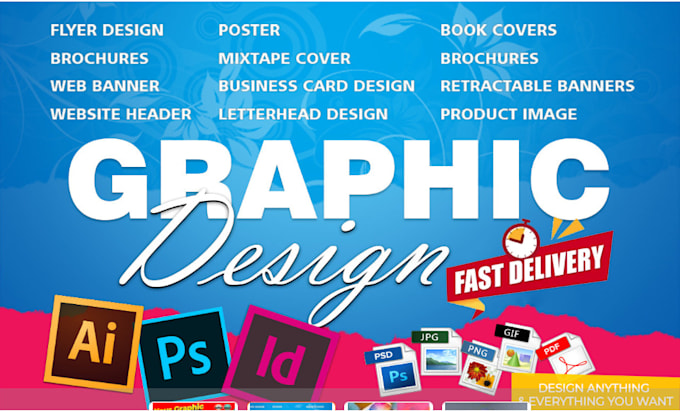
- Graphic Design: A modern digital type artwork for branding and communication.
- Folk Art: Traditional cultural art passed down through generations.
- Printmaking: Creating multiple copies of a design through printing techniques.
- Textile Art: Weaving, embroidery, and fabric-based designs.
- Mixed Media Art: Combining several different types of art mediums in one piece.
- Performance Art: Using the body as the medium of expression.
- Ceramic Art: Pottery and clay-based sculpture.
- Pop Art Type: Colorful and bold, inspired by popular culture.
- Street Art: The style of using art on streets.
Final Thoughts
Exploring different types of art helps us appreciate how creativity shapes the world. Whether you love the Picasso type of painting, admire modern installation art, or enjoy the magic of cinema, there’s something for everyone.
This art types list is a reminder that art is everywhere — in architecture, music, theatre, and even literature. If you are looking for easy different types of art to try at home, start with drawing or painting. If you love technology, explore photography or digital art.
Art is not just about talent — it’s about expressing yourself and connecting with others. So, grab your tools, your camera, or your favorite book, and dive into the beautiful world of different types of art.


( I did not write any of the captions featured, and am not claiming them as my own. All were retrieved from the book "1001 paintings you must see before you die". all rights go to their respective authors.)


Explore BGC Street Murals: Urban Art Tour
This post contains affiliate links, and we may receive a small commission if you make a purchase, at no additional cost to you! Click here to read our affiliate disclosure policy.
Have you ever thought about how bold art changes a city? In Bonifacio Global City (BGC), street murals brighten the area with their colors and designs. This place is more than a business center or shopping destination. It’s a living gallery of modern art in the Philippines.
BGC is proud to have 36 murals, 22 art pieces, and 110 street furniture items. These works of art make the city more enjoyable for all. Every mural has a story of culture and artistic talent. Join this urban art tour and see BGC’s colorful streets. Here, art is everywhere, always changing, and waiting for you to find its wonders.
Introduction to Urban Art in Bonifacio Global City
At the core of Taguig City lies Bonifacio Global City, a bustling hub for urban art lovers. Spanning 240 hectares, it has changed a lot since 2003, turning into a key spot for street art and vivid murals. Thanks to significant efforts by Ayala Land Inc. and its partners, BGC has become a center for creative expression. Here, art mirrors the dreams and goals of the local community.
Street art in BGC is more than just decoration; it’s a symbol of the city’s unique character. The area blends nearly 20 parks and open spaces into its cityscape, providing platforms for artists from here and abroad. These murals aren’t just for show. They spark conversations about culture, values, and community life.
While exploring, visitors see large murals on building walls and smaller pieces in secret alleys. Bonifacio Global City buzzes with art events and markets that highlight local skills and inventions. These efforts do more than just beautify the city. They weave a rich cultural story in this contemporary area.
In BGC, a mix of cultures creates a lively art scene that draws from global influences. This community encourages a unique way of living, making BGC not just a city center. It’s a place of art and inspiration for those drawn to urban creativity.

| Feature | Details |
|---|---|
| Area Coverage | 240 hectares |
| Year Transformed | 2003 |
| Parks and Open Spaces | Approx. 20 |
| Street Art | Local and foreign artists |
| Community Representation | American, British, Australian, and more |
| Art Initiatives | Art fairs, sidewalk markets |
Origins of BGC Street Murals
The origins of BGC street murals start in Taguig City’s evolving public art scene. Public spaces have grown more creative, giving locals and visitors something special. This change boosted Bonifacio Global City’s image as a lively place.
The murals show a wide array of stories that touch the hearts of the community.
History of Public Art in Taguig City
Taguig has become a key place for public art. Many installations here engage the community. Early 2000s efforts by the local government and groups made art a daily sight.
Artists played a big role in creating BGC’s iconic murals. These artworks capture Filipino life and modern subjects.
The Impact of ArtBGC Festival
The ArtBGC Festival brings street art to the forefront, mixing local and international talents. Organized by the Bonifacio Arts Foundation, it’s crucial for Taguig’s art scene. The festival encourages artist partnerships, boosting the city’s cultural vibe.
With over 40 art projects in BGC, the event turns buildings and streets into art wonders. It showcases BGC’s unique appeal.

Exploring the Colorful Murals of BGC
The vibrant landscapes of Taguig City come alive with BGC’s street murals. Each one shares a tale that merges local culture with current issues. Your urban art journey in BGC promises striking visuals and imaginative expressions.
As you walk, murals like “MAN POWER” by Kris Abrigo and “WONDERLAND” by Faile unfold before you. They tell lively stories. BGC’s art scene has grown since 2009, showing the community’s commitment to an inspiring atmosphere. This is enhanced by the clean streets and modern malls, making it popular among locals and visitors.

Your trek may reveal giant pieces under the Art BGC banner, with some murals measuring 45 feet by 80 feet. These large artworks beg for a closer look. This lets you fully appreciate the creativity and hard work that went into them.
The casual feel of a Wall Crawl tour leads to unexpected finds. Wander the art-filled streets, taking pictures of the murals. A recent mural of Yamaha Mio AT vehicles gained nearly 6,000 views online. This way, visiting turns into a deeper experience. It makes you value the colorful murals that make BGC stand out.
For a fun time, take your family or friends on a Wall Crawl. You’ll absorb the lively vibe of BGC’s murals together. It’s a great idea for a date night or a special twist to your Manila visit. For those who want to explore more, Art in the City and BGC Public Art offer guided tours.
Famous BGC Street Murals You Must See
The vibrant murals in Bonifacio Global City showcase talent from around the world. They celebrate culture, tradition, and community. Here are a few of the famous BGC street murals you shouldn’t miss.
Pangako by Anjo Bolardo
Anjo Bolardo’s mural “Pangako” is full of rich colors and detailed designs. It tells a story about hope and promises. This artwork is a standout among the BGC street murals.
Between the Lines by David Leavitt and David Torres
“Between the Lines” is a joint work by David Leavitt and David Torres. It’s known for its size and the stories it tells. The colors and shapes make you feel wonder. It’s an unforgettable piece in BGC.
Calamansi and Sampaguita by Francisco Diaz
Francisco Diaz’s mural blends Filipino symbols with stunning visuals. It shows the Filipino spirit and values. Seeing this mural will deepen your appreciation for BGC’s stories.

| Mural Title | Artist(s) | Theme |
|---|---|---|
| Pangako | Anjo Bolardo | Hope and Commitment |
| Between the Lines | David Leavitt and David Torres | Exploration and Depth |
| Calamansi and Sampaguita | Francisco Diaz | Cultural Symbolism |
These murals show the creativity and spirit of the BGC community. They’re key parts of an urban art tour. Each piece has its own story, inviting you to explore artistic expressions in Bonifacio Global City.
Updated Murals: Rolling Out a Better World
The vibrant urban art scene in Bonifacio Global City is booming. It’s thanks to the recent addition of updated BGC street murals. These murals are all about “Rolling Out a Better World.” They highlight empathy and interconnectedness, showcasing art that speaks to community values.
Nurturing “Ubuntu” by Woman Create
“Nurturing Ubuntu,” by Woman Create, is a stunning piece. It captures the heart of community spirit. The mural is adorned with gemstones, each symbolizing healing, strength, and empowerment. Every detail is a nod to the power of unity in our modern urban spaces.
Let Compassion Flow by KanKan Ramos
KanKan Ramos brings to life “Let Compassion Flow.” This mural is a vibrant call to kindness and optimism. Placed in busy spots, it reminds us all to cherish and spread compassion. Through these murals, BGC promotes values that aim to better our world.
ArtBGC Tours: Guided Exploration
ArtBGC Tours take you on a journey through Bonifacio Global City’s lively street art. They offer a planned way for art lovers and first-time visitors to see the area’s murals. On each tour, you learn about the murals’ backgrounds and interact with the art.
ArtBGC Tour #1 Overview
ArtBGC Tour #1 leads you past ten major artworks along the Passion Kilometer. It stretches from Burgos Circle to Serendra. You’ll learn about each mural’s meaning. This includes the “Magsasaka” mural, honoring Filipino farmers, and “Calamansi and Sampaguita” by Francisco Diaz, showing old traditions. The tour takes you around Bonifacio Global City, stopping at places like Icon Plaza Building and R.O.X.
ArtBGC Tour #2 Highlights
ArtBGC Tour #2 introduces you to twelve unique artworks. Highlights include Andrew Schoultz’s “The Heart of God’s Country” mural, rising over 85 feet, and “Pilandok” by Egg Fiasco at Bonifacio High Street, Lane P. This tour deepens your appreciation for the local art scene and connects you with the stories behind BGC’s creativity.

Arts and Culture Scene in Taguig City
Taguig City is quickly becoming a lively center for arts and culture. This is especially true in the street art scene. The presence of art in the city brings life and personality, inviting everyone to connect with the city. Since the 2014 Arts BGC Mural Festival began, Taguig has seen a surge in bright murals on its streets. These artworks cover many themes, like nature and local history, and show off the skills of artists from around the world.
The murals are not just for show; they start conversations about important issues. For example, “The Heart of Gods Country” mural talks about the climate crisis. Artists like Archie Oclos and Aleili Ariola honor Filipino farmers with their mural “Magsasaka.” Nate Frizzell’s artwork highlights the contrast between nature and urban life.
Visitors will find a variety of art, including “Calamansi & Sampaguita” and “Pangako,” which both celebrate Filipino culture. The BGC Greenway Park offers a beautiful place to see these pieces, with walking paths and gardens. Plus, there are many other art installations that add to Taguig’s vibrant street art scene.
Spending time at local restaurants or visiting The Mind Museum, you’ll see how art and culture thrive together in Taguig City. It’s a key cultural spot in the Philippines.

Capturing Urban Artwork: Best Photography Spots
Bonifacio Global City (BGC) is a top spot for photographing urban artwork. This area’s lively street murals provide endless opportunities for stunning photos. To make the most of your visit, find the best places to take pictures.

- Angles: Try shooting from different angles. Low angles can create drama, while high angles show the mural’s full size.
- Lighting: For the best light, go early in the morning or late in the afternoon. This soft light makes colors pop.
- Surroundings: Adding nearby buildings or parks can add depth to your photos. The BGC Greenway Linear, full of green, is perfect for this.
If you want to photograph more than just BGC’s murals, check out these places:
| Location | Features |
|---|---|
| Fort Santiago | It’s a historic site with lovely gardens and architecture. Great for leisurely walks and photos. |
| Rizal Park | This is a family-friendly space. It’s great for picnics and group shots. |
| National Museum of Fine Arts | It showcases Filipino art. A cultural backdrop for art lovers. |
| Ayala Triangle Gardens | An urban park with lush views. Perfect for photos in the late afternoon. |
| Art In Island | An interactive 3D museum. It’s full of optical illusions and colorful art. |
These places can add variety to your photo collection, showing the full scope of Metro Manila’s urban artwork. Remember to explore beyond BGC. Find those hidden gems that make the city a photographer’s paradise.
How to Get Involved with BGC’s Art Community
Becoming part of the BGC art community opens up a world of vibrant culture. It’s a chance to express your love for art and meet local artists and art lovers. There are plenty of ways for you to get involved and make your mark.
Sharing Your Discoveries Online
Social media is a great tool to document and share your art experiences. Use #ArtBGC to connect with others who love art too. When you post pictures of street art and art pieces, you bring attention to the creativity in Bonifacio Global City. This creates a beautiful collection of experiences for others to see and enjoy.
Joining Local Art Initiatives
Joining local art projects is a wonderful way to be creative with others. You can go to workshops, help out at art events, or work on art projects with others. This lets you dive deep into the local art scene and also improves your own art skills. Being a part of these projects makes Taguig City’s art community richer and more lively. There are many chances for those who want to learn and help out.

| Engagement Options | Description | Benefits |
|---|---|---|
| Social Media Sharing | Document and share your art experiences online | Connects you with a larger audience and increases awareness |
| Workshops | Participate in art creation sessions | Enhances skills and provides networking opportunities |
| Volunteering | Assist in organizing local art events | Gives you hands-on experience and builds community ties |
| Art Projects | Engage in collaborative community art endeavors | Supports cultural growth and personal expression |
BGC Street Murals: More Than Just Art
BGC street murals are an essential part of the city. They show us the deeper meaning of street murals today. These colorful artworks are not just for decoration. They express community problems, cultural stories, and personal views.
Looking closer, we see the importance of BGC street art. It helps start conversations in the community. Murals like “The Land We Walk On” and “What’s Your Culture” make us think. A piece that represents Korea, the Philippines, and ASEAN countries shows how art brings cultures together.
The murals also make us curious and think. They show empathy and compassion, making us see how we are all connected. These artworks do more than just make the place look nice. They help boost local pride and show who we are.
Here’s a quick look at some stats about BGC murals:
| Statistical Insight | Data |
|---|---|
| Total number of murals explored | 20 |
| Percentage of murals finished in 2021 | 15% |
| Artists involved in “The Land We Walk On” | 1 |
| Artists behind “What’s Your Culture” | 1 |
| Artists for ASEAN friendship mural | 13 |
| Artworks depicting empathy | 2 |
| Murals created by Egg Fiasco | 2 |
| Murals by Bunnie Reiss | 2 |
| Murals painted in pastel colors | 1 |
| Murals located in BHS Central | 2 |
| Total murals initiated in 2015 | 9 |
| New mural sites launched this year | 11 |
Going to the area lets you see these artworks yourself. You can see everything from a big astronaut mural to smaller local pieces. As you look around, share what you find online with #1daytripids. This way, you can talk to others about how art changes public spaces.

Getting There: Visiting Bonifacio Global City
Traveling to Bonifacio Global City (BGC) takes you to a vibrant urban place. It is known for its street art and modern Manila culture. Think about how you’ll get there and where you’ll stay to make the most of your visit.
The nearest train station is MRT-Guadalupe. Buses like the Fort Bus make getting to BGC easy. Jeepneys from Guadalupe-Fort and Pasay to Kalayaan Avenue also go there. Remember, how you get there depends on where you start in Metro Manila.
In BGC, there are places to stay for all budgets. You can stay in luxury at Shangri-La at the Fort or Grand Hyatt Manila for about 8.8 million VND a night. For a good deal, F1 Hotel Manila offers modern rooms at a lower price.
If you’re looking for a longer stay, Ascott Bonifacio Global City Manila has nice apartments. The rate is around 7.1 million VND. Close by, Mercure Manila Ortigas has comfy rooms with the latest amenities for about 2.4 million VND.
BGC is a fun place with lots to do and see. Visit The Mind Museum, BGC Arts Center, or Venice Grand Canal Mall. For relaxing, there’s Track 30th or BGC Greenway Park. These spots are perfect for a jog or a calm walk.
| Accommodation | Average Rate (VND) | Type |
|---|---|---|
| Shangri-La at the Fort | 8.8 million | Luxury |
| Grand Hyatt Manila | 8.8 million | Luxury |
| Ascott BGC | 7.1 million | Serviced Residence |
| F1 Hotel Manila | Mid-range | Modern |
| Mercure Manila Ortigas | 2.4 million | Budget |
Bonifacio Global City is a great destination. It offers a unique trip with its street art and culture. Plan your visit to BGC carefully. Enjoy all the cool things this place has to offer.
Conclusion
The BGC street murals in Bonifacio Global City are a unique art experience. They turn public spaces into vibrant canvases of creativity. These murals showcase everything from children’s dreams to thought-provoking pieces. They celebrate artistic expression, touching hearts of locals and visitors in Taguig City.
Walking through BGC, you’ll see amazing installations like “The Trees” by Reynato Paz Contrera. This piece mixes nature and art beautifully. You’ll also find murals like “Araw + Ulap + Laro = Saya” by The Mighty Bhutens. They bring joy and fire up the imagination. These artworks do more than make the city pretty. They share tales of resilience, bring back memories, and honor cultural identity. This enriches the urban experience for all.
Engaging with BGC murals, you help grow the love for urban art in Taguig City. Don’t just look; interact, talk about what you see, and share your thoughts. This sparks community talks on creativity. Let these bright pieces of art inspire your artistic journey.
Similar Posts
Ziplining Adventures in Wisconsin Dells Guide
Soar above breathtaking landscapes on a ziplining adventure in Wisconsin Dells. Experience the thrill and scenic beauty of outdoor excitement for all ages!
Zagreb Food Festival: Savor Croatian Cuisine
Embark on a culinary journey at the Zagreb Food Festival, where Croatia’s vibrant flavors and top food vendors unite for a gastronomic celebration.




Different Types of Art: Exploring the 10 Major Art Forms and Beyond
Art has always been a way for humans to tell stories, express emotions, and leave their mark on history. From ancient cave paintings to cutting-edge digital installations, art continues to shape how we see the world. When we talk about different types of art, we aren’t just talking about painting or drawing. There are many art varieties that make up our cultural and creative landscape.
This guide explores art and its types in depth — focusing on the ten most important art forms that have inspired people for centuries. We’ll also take a look at all types of art styles, share an art types list you can explore, and help you understand why each form is so special.
1. Art of Painting
Painting is one of the oldest and most beloved art form types. It has been a part of human culture for over 30,000 years, starting from prehistoric cave art to the stunning works of modern masters. Painting is visual storytelling — you can capture emotions, landscapes, and ideas on a flat surface.
There are different kinds of art mediums in painting, including oil, acrylic, watercolor, gouache, and even digital painting. Oil painting is known for its depth and richness, watercolor is soft and translucent, while acrylic is fast-drying and versatile. The Picasso type of painting introduced Cubism, changing the way we see art forever.
Painting isn’t just for professional artists. It’s one of the most easy different types of art to try at home. All you need is a canvas, a few colors, and a brush to get started.
2. Art of Sculpture
Sculpture is a three-dimensional art form type that lets you create something you can actually touch. It is about turning stone, clay, metal, or wood into something meaningful. From Michelangelo’s David to modern metal installations, sculpture has always been about bringing ideas to life in physical form.
Sculpture emphasizes form, texture, and proportion. There are different types of art mediums used, from marble and bronze to glass and resin. It’s one of the most fascinating types of artistry because it takes space into account — you walk around it, see it from multiple angles, and feel its presence.
3. Art of Architecture
Architecture is not just about buildings — it’s about design, creativity, and function combined. It is a different type of artist practice that shapes the spaces we live, work, and dream in. Architecture is a perfect example of how art and its types can be both practical and beautiful.
From the Pyramids of Giza to the Eiffel Tower, architecture tells the story of entire civilizations. Modern architecture combines engineering and technology with style, giving rise to skyscrapers, sustainable homes, and futuristic spaces.
4. Art of Installation
Installation art transforms entire spaces into immersive experiences. This different type of art medium is interactive, experimental, and often challenges the viewer to think differently.
Installation pieces can use lights, sound, objects, and even natural elements. Artists like Yayoi Kusama have turned rooms into dreamy, otherworldly experiences. It’s one of the most modern different types of art forms, and it has gained popularity in museums and galleries worldwide.
5. Art of Music
Music is an art form type that speaks to the soul. It uses rhythm, melody, and harmony to express emotions and ideas that words sometimes cannot. From classical symphonies to pop songs, music has been part of every culture.
Music is one of the most accessible different types of art because you don’t need to see it — you feel it. It brings people together, inspires movements, and often becomes the soundtrack to our lives.
6. Art of Theatre
Theatre is one of the oldest different forms of visual art, combining performance, storytelling, and emotion. It involves live actors, stage design, lighting, and music to create unforgettable moments.
From Shakespearean plays to modern Broadway shows, theatre is a powerful way to explore the human experience. It’s one of the most engaging types of artistry because the audience is part of the experience.
7. Art of Cinema and Film
Film is one of the most powerful and popular different types of art forms today. It combines visual storytelling, acting, sound, and editing into one seamless experience. Movies can make us laugh, cry, and think deeply about life.
From black-and-white classics to today’s streaming hits, cinema is a modern type artwork that has the ability to reach millions. Filmmaking is a collaborative process that involves many artist type professionals — directors, actors, editors, and writers.
8. Art of Photography
Photography is about capturing moments and turning them into visual stories. It’s one of the most widely practiced different types of art name because almost everyone carries a camera today.
There are many art types list styles of photography — portrait, landscape, street, wildlife, and fashion. Photography is both technical and creative, making it a favorite among different type of artist enthusiasts.
9. Art of Drawing
Drawing is the foundation of nearly every other art form type. It uses lines, shapes, art tones and shading to express ideas. The different kinds of line in art — straight, curved, thick, or thin — all come together to form a visual language.
Whether it’s a quick sketch or a detailed illustration, drawing remains one of the most important art types list entries in history.
10. Art of Literature
Literature is an art form type that uses words to move, inspire, and teach. From ancient epics to modern novels, literature has shaped our culture and history.
Poetry, drama, and prose are all different types of art forms under literature. It’s a powerful way to preserve ideas and share them across generations.
Other Types of Art (Quick Overview)
Beyond these major art forms, there are many different types of art forms worth mentioning:
- Calligraphy: The art of beautiful writing.
- Dance: Expressive movement set to rhythm and music.
- Graphic Design: A modern digital type artwork for branding and communication.
- Folk Art: Traditional cultural art passed down through generations.
- Printmaking: Creating multiple copies of a design through printing techniques.
- Textile Art: Weaving, embroidery, and fabric-based designs.
- Mixed Media Art: Combining several different types of art mediums in one piece.
- Performance Art: Using the body as the medium of expression.
- Ceramic Art: Pottery and clay-based sculpture.
- Pop Art Type: Colorful and bold, inspired by popular culture.
- Street Art: The style of using art on streets.
Final Thoughts
Exploring different types of art helps us appreciate how creativity shapes the world. Whether you love the Picasso type of painting, admire modern installation art, or enjoy the magic of cinema, there’s something for everyone.
This art types list is a reminder that art is everywhere — in architecture, music, theatre, and even literature. If you are looking for easy different types of art to try at home, start with drawing or painting. If you love technology, explore photography or digital art.
Art is not just about talent — it’s about expressing yourself and connecting with others. So, grab your tools, your camera, or your favorite book, and dive into the beautiful world of different types of art.
Add a Comment



.jpeg)
.jpeg)

Airbrush Basics

An Airbrush is a tool used by makers and creators to apply color to a surface. Airbrush users spray acrylics on plastic, makeup on skin, watercolor on paper and so much more.
When connected to an air compressor, an airbrush breaks a liquid into tiny droplets. This is called atomization. Atomization produces seamless blends, coatings and gradients a standard paint brush can only dream of.
Iwata Airbrushes are known for superior atomization and spray excellence. We combine thoughtful design with finely crafted components and top quality raw materials to make the best creative tools.
Some of our airbrushes are best for highly specific uses while others are multi-taskers. We categorize our airbrushes into 5 Ways to Spray, each with an abundance of feature options. So you are sure to find an Iwata airbrush that's right for you.
The Main Parts of an Airbrush

Key airbrush terms you should know...
Feed Styles
This refers to how the paint or spray material is “fed” into the airbrush. There are three types of airbrush feed styles.

Gravity Feed:

In a gravity feed system, paint is drawn into an airbrush from a color cup (also called a fluid cup) mounted on top of the airbrush. It is called gravity feed because the force of gravity helps spray material move through the airbrush. This allows the airbrush to spray at lower air pressures.
This feed style requires smaller amounts of paint and utilizes every drop, making it economical to use and easy to clean. Gravity feed is the most practical choice for most applications. Most gravity cups include a secure lid, which prevents paint spills.
C Style Cup
Most larger gravity cups include a secure lid, which prevents paint spills. Called “C cups” in Iwata models, these cups are ideal for holding several oz of paint and for painting 3d objects where the airbrush will be tilted at various angles.

B Style Cup
Smaller fluid cups, which usually don’t include lids, are preferred by users working with small amounts of color at a small spray scale. In Iwata models these are called B Cups.

Siphon Feed:
In siphon feed systems paint is drawn up from a jar or color cup from underneath the airbrush. Unlike gravity feed, in a siphon feed airbrush, the air compressor must do all the work. This means more air pressure is required to spray material.
Siphon feed is preferred when using larger amounts of spray medium. This style is sometimes referred to as bottom feed or bottle feed.

Side Feed:
Side feed systems draw spray material from a color cup or bottle through the side of the airbrush. Side feed cups and bottles are available in a wide range of sizes and may be attached to either the left or right side of the airbrush.
Some users feel that the side feed style gives them better visibility of their work, especially when painting details.

Dual Action and Single Action:
Dual action (sometimes called double action) airbrushes allow you to control both air and paint flow at the same time. Pressing down on the trigger releases air and drawing back on the trigger releases paint or spray material.
Pull back the trigger slightly for a little bit of paint and pull back farther to release more paint. Dual action airbrushes give you much better control and can create more dynamic spray patterns. Nearly all Iwata airbrushes are dual action airbrushes.
Single Action airbrushes have independent controls for air and paint. The trigger only controls air. A dial on the handle sets how much paint is will be released when the trigger is pressed.
Single action airbrushes can be good choice for a production environment when a spray pattern needs to be repeated exactly same again and again. Sometimes single action is recommended for those just learning but new users quickly outgrow single action and desire more control.
We only offer a few single action models, like the Revolution SAR.
External or Internal Mix
External Mix: when air and paint are released through two separate apertures and are mixed together outside the airbrush. While sometimes easier to clean, external mix systems produce coarser atomization and less even spray patterns than internal mix airbrushes.
Internal Mix: here air and paint are mixed together before leaving the airbrush. This produces superior atomization and even spray patterns. This is why all Iwata airbrushes are designed as internal mix airbrushes.

Main Levers and Triggers
Most airbrushes are controlled by a top lever.
We also offer models that use a trigger style similar to what you would find on a spray gun. People who are used to spray guns might prefer this style. It is also favored by those with arthritis or who have difficulty using the most usual lever. Trigger style airbrushes like the HP-TH and Neo TRN1 are dual action.
Extra Features

Micro Air Control (MAC): enables incremental control of airflow for a fine to medium spray and creating stipple effects. The Hi-Line series within our Total Control spray category all feature a MAC valve.

Quick Flush Cutaway Handle: The cutaway handle reveals the needle chucking nut. Pull the needle chucking nut back and push main lever down and back when flushing cleaner through airbrush.

Preset Handle: Some Iwata airbrushes are equipped with a preset and/or cutaway handle. The knob on the preset handle limits how far back you can pull the main lever allowing you to set a specific line width each time you spray.
Fluid Cup: also called a color cup or bowl, these hold paint in gravity, side-feed and sometimes siphon feed airbrushes. Most fluid cups include lids, but some that are made for using small amounts of spray material do not.
All About Airbrush Parts

An airbrush isn’t a real Iwata without genuine, precision crafted, Iwata parts. Use our Part Finder to make sure you are ordering the correct replacement part for your airbrush.
If you have already done some reading about airbrush you may notice that here at Iwata we do not talk a lot about needle and nozzle sizes. This is because a focus on the size of these parts gives an incomplete picture of what makes an airbrush perform the way it does and what makes it the right choice for a particular application.

Nozzle: Sometimes called a tip or cone, the nozzle is one of the most important parts of an airbrush. Like needles, nozzles wear out over time and will need to be replaced.
Easy to clean Compression Fit Nozzle: Our Eclipse series airbrushes feature compression fit nozzles which have the advantage of being easy to install and clean and capable of spraying more viscous material without clogging.

Spring Steel Needle: a durable material that resists breakage.

Solvent Resistant Needle packings: for increased durability using solvent-based materials.

Custom-Matched Hand-Tuned Head System: Exclusive to Iwata Custom Micron Series, these Head Systems are hand-tuned and hand tested to rigorous performance standards for precision spraying.

Our bestsellers

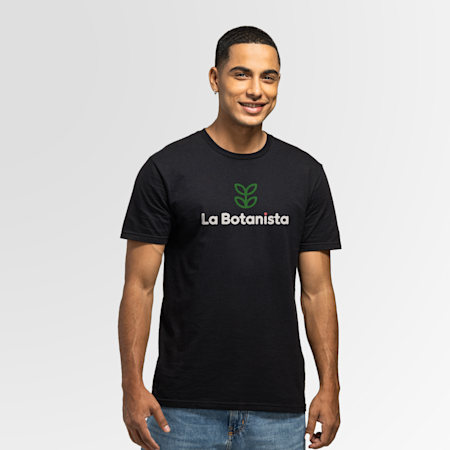

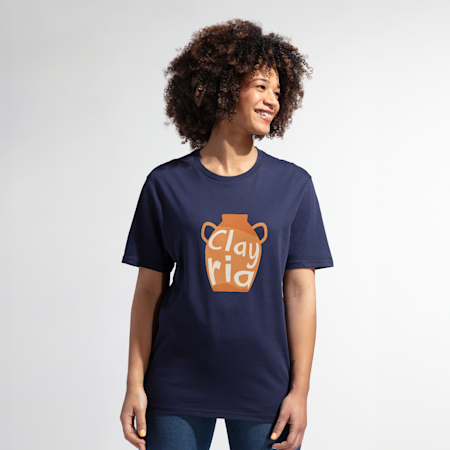
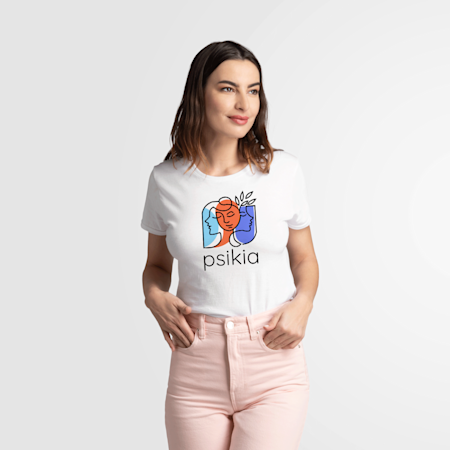
Pick your favorite custom shirt style
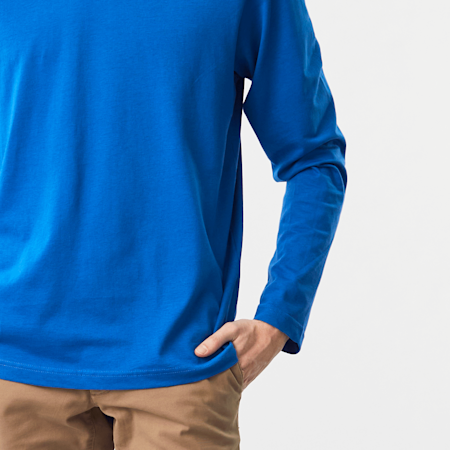
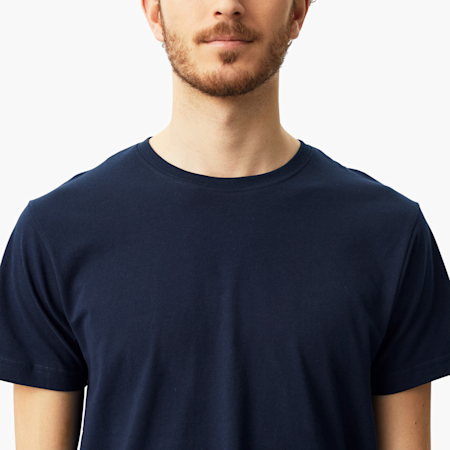


Custom tees, made simple
More to explore

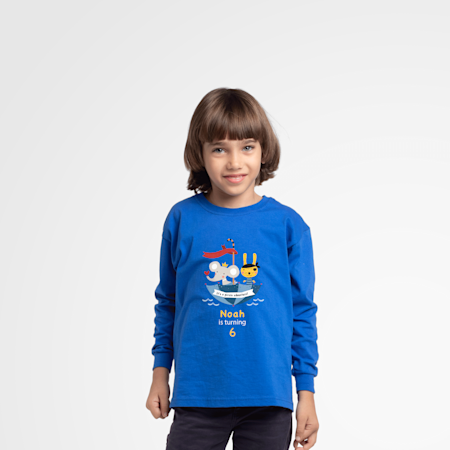
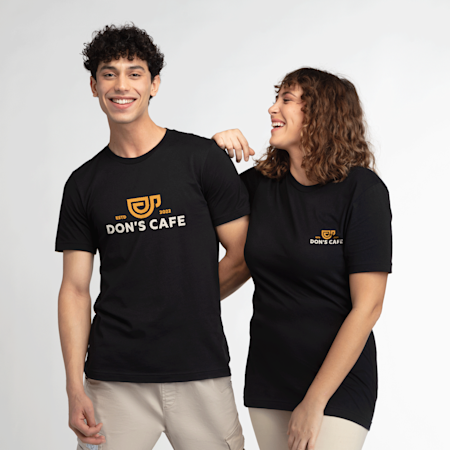


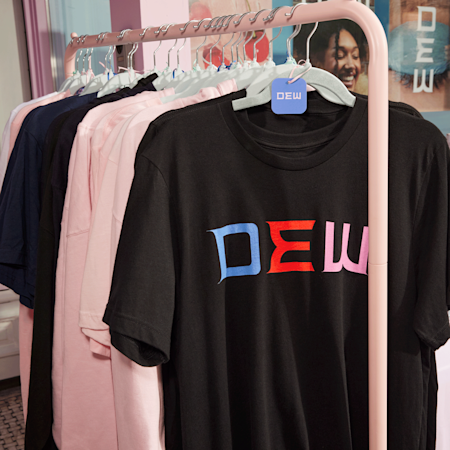

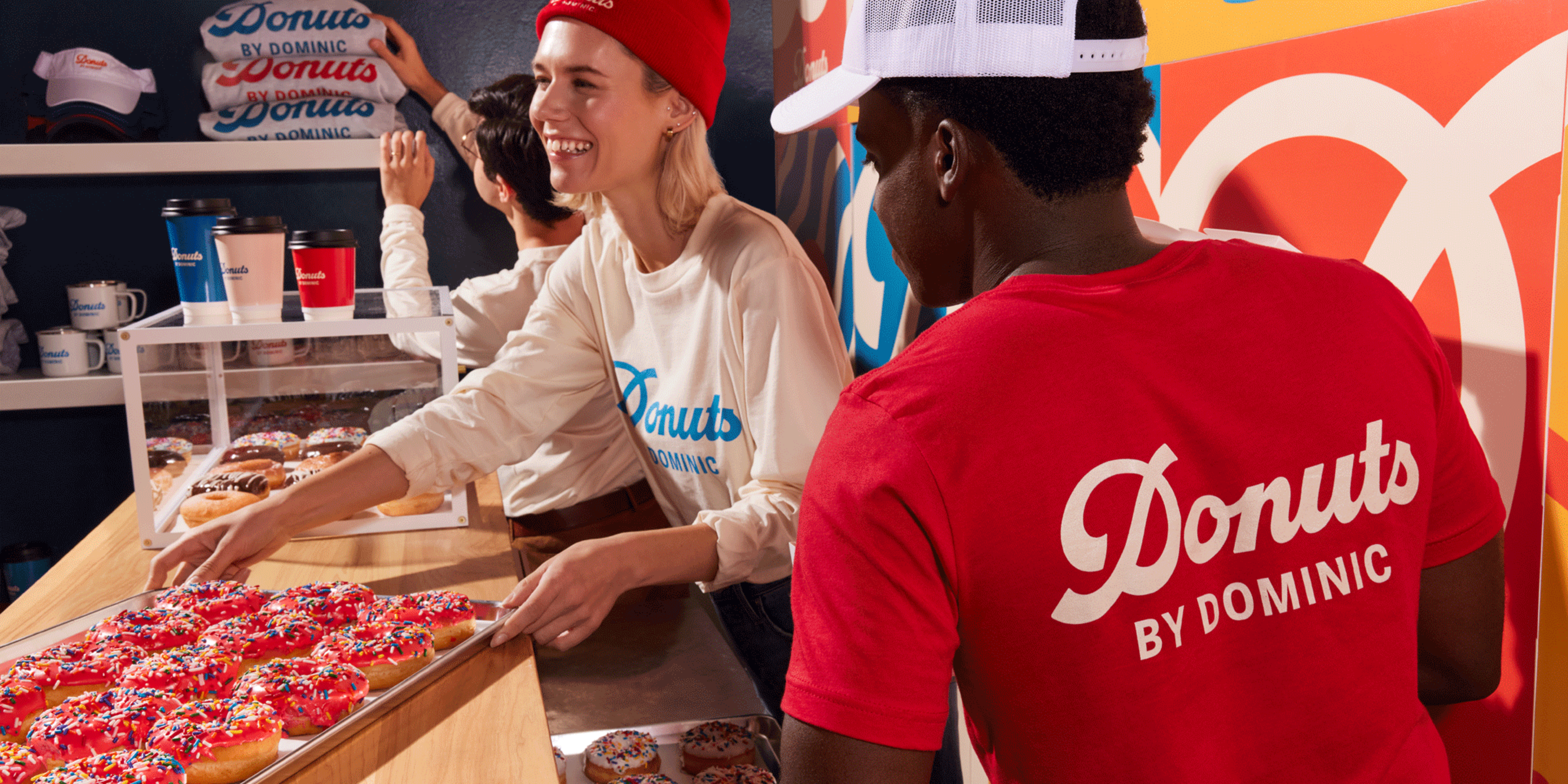
Why choose VistaPrint for your printed T-shirts?
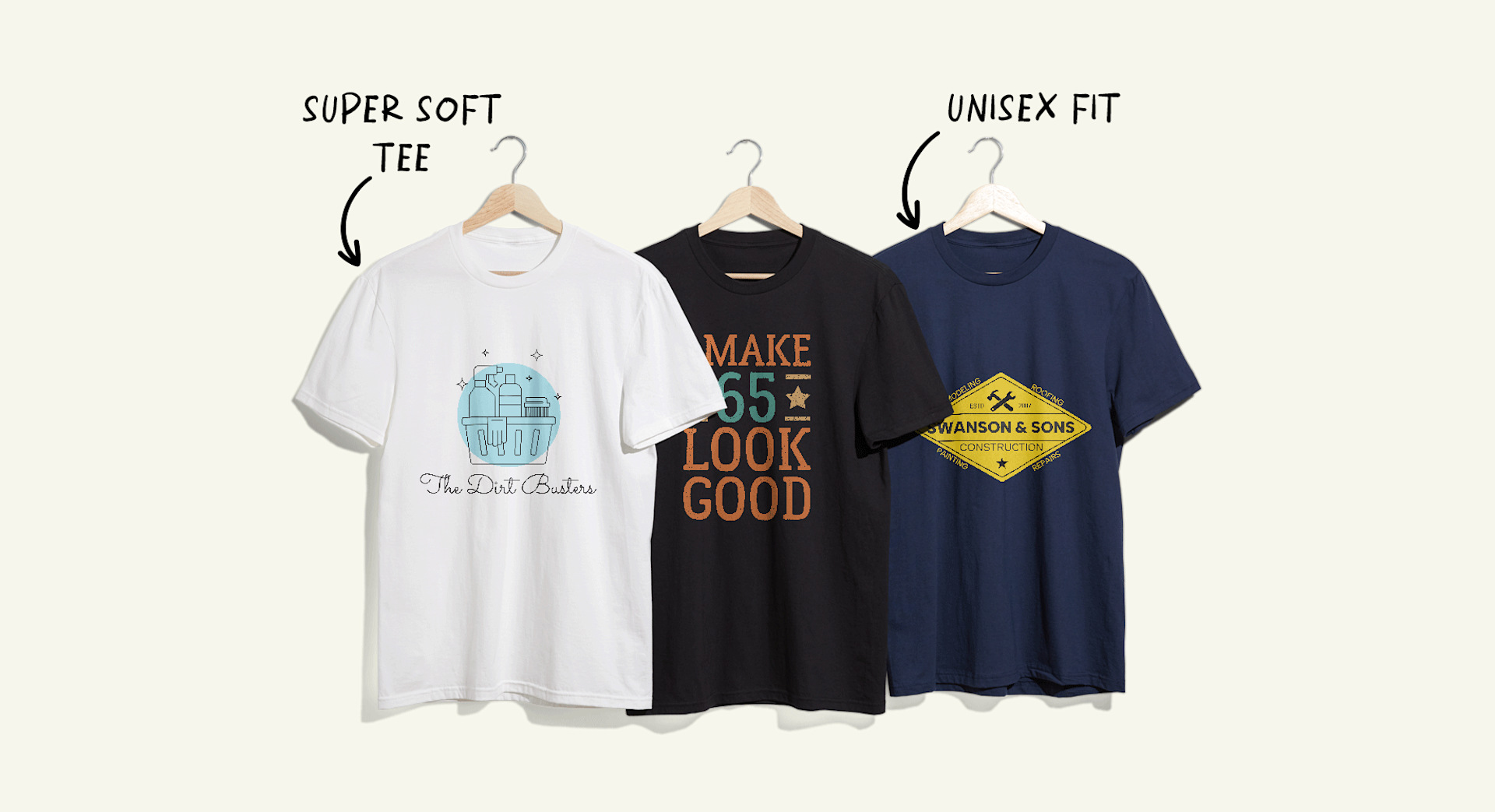
Our printing techniques

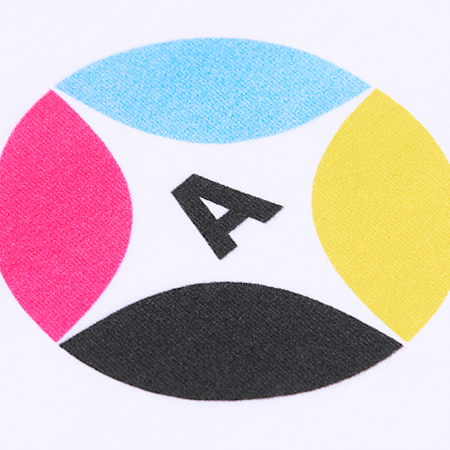
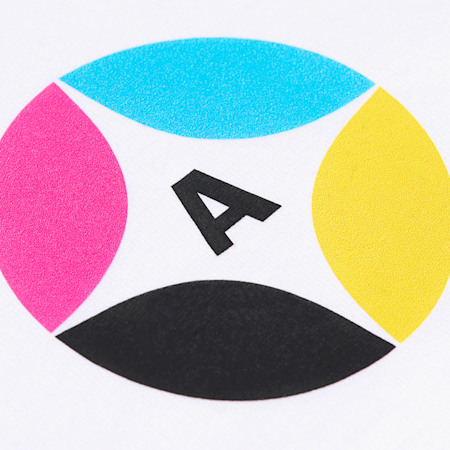
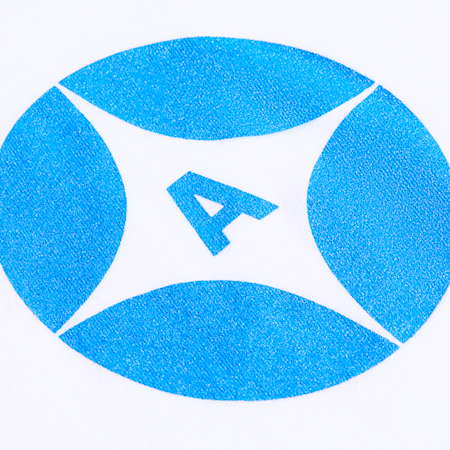
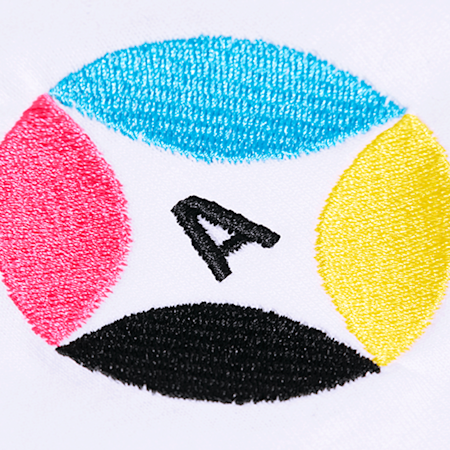
Custom T-shirt design & printing, made easy.
How to design your own t-shirt with VistaPrint:
1. Select your style If you’re looking for a promotional giveaway, our printed T-shirts work best. If you want to create a consistent look for your team members, our embroidered or 100% cotton T-shirts are ideal.
2. Choose your sleeve length We have short sleeve and long sleeve custom T-shirt options, so you can pick the one that best fits your needs and the season.
3. Add your T-shirt design Once you’ve selected your favorite custom tee and the quantity you need to order, create your own printed T-shirt by choosing a design from our gallery (with many industries and styles to choose from) or upload your own artwork or logo. For some of our personalized T-shirts, reverse side printing is also available.
4. Preview and share your design Once you’ve added your final touches to your personalized T- shirts, you can preview and even save your design in our T-shirt maker then share it with your colleagues or friends – before you complete your purchase.
Check out our T-shirt guide article for more ideas on how to design your perfect T-shirt.
Frequently asked questions
We offer cotton, blend and polyester options. Our soft-touch custom tees are made of 100% ringspun cotton, which is more breathable and feels softer. We also have personalized T-shirts made from performance fabric, which is moisture-wicking for maximum comfort.
Adults’ T-shirts from VistaPrint are available in XXS – 5XL. We also offer kids’ sizes. To find the exact length and width of each size, check our size charts tab on the T-shirt page of your choice.
Yes! You can upload your logo, artwork or design using our intuitive studio. Don’t have a design yet? Choose from hundreds of ready-to-customize templates or use our design services for a unique look.
There is no minimum order quantity for T-shirts printed with direct-to-garment or heat transfer printing options. For screenprint T-shirts, the minimum order quantity is 6.
At checkout, you’ll be able to choose from standard, priority and express shipping options. We offer free standard shipping on orders $100+ (conditions apply). For more information about our shipping, please visit this page
To wash your custom T-shirt, turn it inside out and machine wash cold. Use non-chlorine bleach and don't tumble dry. To keep your custom T- shirt printing in top condition, don't iron the decoration area.
- Endless options: Choose from a wide range of T-shirt styles, top brands and colors to bring your vision to life.
- Affordable tees: Whether you need one shirt or 100, VistaPrint offers some of the best prices – especially for small quantities.
- Free & fast shipping: Get free shipping on orders over $100 and choose express delivery if you're in a rush.
- Award-winning support: Our friendly, reliable customer service team is here to help whenever you need it.
- 30 years of experience: With three decades of print expertise, your custom T-shirts are in safe hands.
Looking to get great T-shirts without breaking the bank? Here are a few easy tips to keep your order budget-friendly:
- Choose budget-friendly brands: go for quality, lower-cost options like Gildan®.
- Keep it simple with the decoration: sticking to a screen print (single print color) or just front decoration (no backside printing) can help lower your overall cost.
- Plan ahead: avoid rush fees by choosing the economy shipping option – it’s the most cost-effective choice if you’re not in a hurry.
- Order in bulk: the more you order, the less you pay per shirt. Plus, you get free shipping on orders over $100 – it’s a win-win!


Add a Comment Cancel reply